


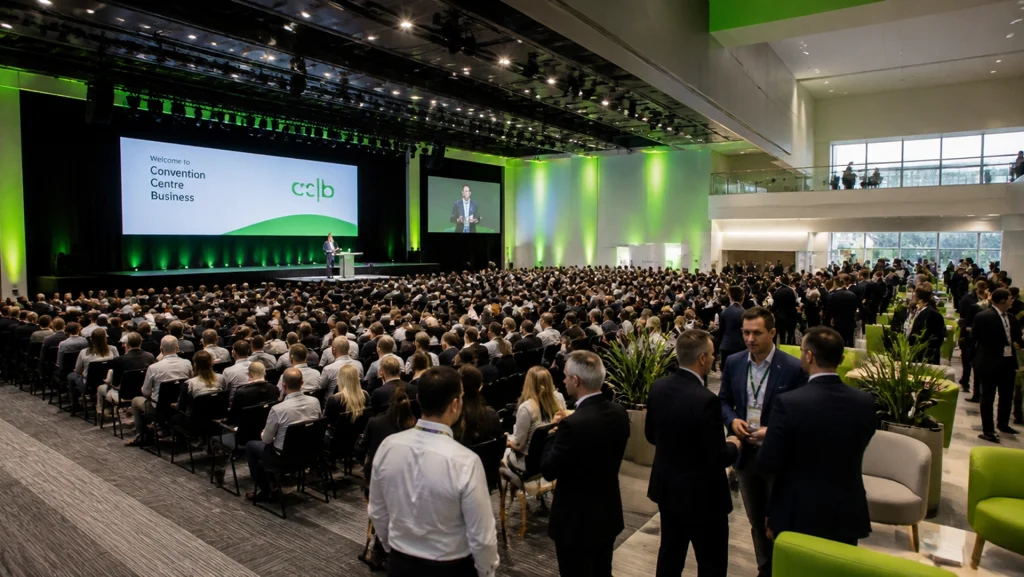
Planning a corporate conference involves much more than booking a venue and arranging speakers. Objectives, budget, programme design, delegate communications, travel, production and on-site delivery all need to work together.
The best place to start is the outcome. Once you know what the conference should achieve and who needs to attend, every major decision becomes easier to evaluate.
Corporate conference planning at a glance
| Phase | Priority | Decision gate |
|---|---|---|
| Strategy | Objectives, audience and format | Brief approved |
| Feasibility | Budget, dates and destination | Funding and venue approved |
| Design | Programme, speakers and attendee journey | Programme locked |
| Delivery | Registration, production and operations | Final readiness review |
| Evaluation | Feedback, business outcomes and reconciliation | Results reported |
What is a corporate conference?
A corporate conference is a structured business gathering built around defined organisational objectives. Examples include national sales conferences, franchise meetings, leadership summits, annual general meetings and professional development programmes.
Conferences form the “C” in MICE, which stands for Meetings, Incentives, Conferences and Exhibitions. Compared with a single corporate event, a conference often involves a longer programme, more complex content, delegate registration and a wider group of suppliers.
How far ahead should you start?
Lead time depends on the number of delegates, location, programme complexity and availability of preferred venues and speakers. A straightforward internal conference may be organised within a few months. A national, multi-day or hybrid programme may require considerably longer.
Starting earlier gives the team more choice and reduces rushed decisions. It also allows registration, travel and content deadlines to be sequenced around the event date instead of competing at the last minute.
A practical conference planning timeline
- Strategy phase: Confirm objectives, audience, success measures, budget parameters and internal decision-makers.
- Foundation phase: Select the date and venue, establish the programme structure and appoint key suppliers.
- Build phase: Confirm speakers, open registration, plan delegate travel and develop event communications.
- Production phase: Finalise AV, staging, content, catering, accommodation, transport and run sheets.
- Delivery phase: Brief the team, complete rehearsals, manage the venue and support delegates on site.
- Review phase: Gather feedback, reconcile costs and report results against the original objectives.
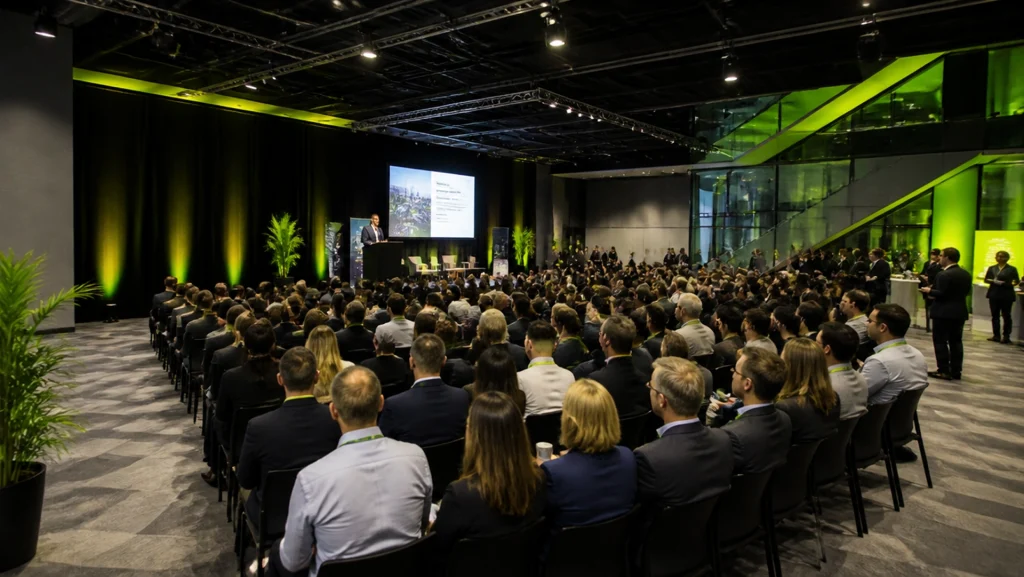
Nine steps to plan a corporate conference
1. Define the objectives and audience
Write down what the conference needs to achieve. The objective might be aligning a national team, launching a strategy, developing skills, recognising performance or strengthening a franchise network.
Define who should attend, why their presence matters and what they should know, feel or do differently after the event. Select a small number of success measures before planning the programme.
2. Set the budget and approval process
Build the budget around the complete delegate experience. Typical categories include venue hire, catering, accommodation, transport, speakers, production, registration technology, creative, signage, staffing and contingency.
Confirm who can approve costs and how changes will be managed. A clear approval process prevents delays when venues or suppliers need quick decisions.
3. Choose the date and venue
Check public holidays, school holidays, major city events and internal business deadlines before confirming the date. These can affect flights, accommodation, venue availability and attendance.
Assess venues against the required room layouts, breakout spaces, accessibility, transport connections, catering, accommodation and production capability. Review cancellation terms, minimum spends and supplier restrictions before signing.
4. Design the programme and secure speakers
Build the agenda around the objective rather than filling time slots. Balance presentations with discussion, networking, breaks and opportunities for delegates to apply what they have heard.
Give speakers a clear brief covering the audience, session purpose, format, timing and content deadlines. Plan rehearsals for important presentations, panels and technical demonstrations.
5. Manage registration and delegate communication
Use a registration process that captures the information needed for planning, including dietary requirements, accessibility needs, travel details and session selections.
Create a communication schedule for invitations, registration confirmations, reminders, travel information, agenda updates and final arrival instructions. Make it clear where delegates can ask for help.
6. Coordinate travel and accommodation
For interstate or regional conferences, align flights, transfers and hotel arrangements with the programme. Allow for different arrival times and make sure delegates know what is included, what they need to arrange and who to contact if plans change.
7. Plan production and technology
Confirm staging, sound, lighting, screens, presentation formats, internet requirements, event apps and hybrid components. Ask the production team to design for the actual room and audience rather than relying on a generic equipment list.
Schedule technical checks and rehearsals before delegates arrive. Prepare backup plans for presentations, microphones, connectivity and other critical systems.
8. Prepare the on-site operation
Create a detailed run sheet covering suppliers, staff responsibilities, speaker movements, room changes, catering, transport and escalation contacts. Brief everyone on how decisions will be made during the event.
Walk through the delegate journey from arrival to departure. Registration, signage, accessibility and staff visibility should make the experience easy to navigate.
9. Measure and follow up
Send feedback requests while the experience is still fresh and review attendance, engagement and other agreed measures. Share recordings, resources and next steps promptly.
Complete a supplier and team debrief, reconcile the final budget and document what should change next time. The review should answer the objectives set in Step 1.
Australian conference planning considerations
- Travel distances: National delegate groups may require coordinated flights and an additional travel night.
- Seasonality: School holidays, public holidays and major events can affect pricing and availability.
- City selection: Sydney, Melbourne, Brisbane, the Gold Coast and regional destinations offer different venue, access and experience options.
- Accessibility: Confirm accessible transport, accommodation, venue routes, seating and presentation formats.
- Weather: Build practical alternatives for outdoor activities and transport-sensitive programme elements.

Build access requirements into the registration form, venue inspection, stage design, materials and transport plan. The Australian Human Rights Commission’s inclusive-events guide provides practical checks. For programmes involving loading zones, vehicles or temporary event infrastructure, also review Safe Work Australia’s traffic management guide for events.
Common conference planning mistakes
- Starting with the venue: The space should support the objective and programme, not define them.
- Unclear ownership: Decisions slow down when stakeholders do not know who has final approval.
- Underestimating production: AV, content and rehearsals need their own planning schedule.
- Late delegate communication: Missing information creates avoidable questions and travel issues.
- No contingency plan: Speaker, supplier, weather and technology risks should have named responses.
- No measurement plan: Feedback collected without an agreed objective is difficult to use.
Corporate conference planning checklist
| Workstream | Key output |
|---|---|
| Objectives | Purpose, audience and success measures approved |
| Budget | Cost categories, approvals and contingency confirmed |
| Venue | Date, contract, room plan and accessibility checked |
| Programme | Agenda, speakers and content deadlines agreed |
| Delegates | Registration and communication schedule active |
| Travel | Flights, accommodation and transfers coordinated |
| Production | AV, staging, technology and rehearsals planned |
| Operations | Run sheet, staffing and contingencies briefed |
| Measurement | Feedback, reporting and debrief scheduled |
When should you use a conference management company?
External support is useful when the conference involves multiple locations, complex travel, a large supplier team, significant production, hybrid delivery or limited internal capacity. An experienced partner can also help with venue sourcing, budget control, delegate management and on-site coordination.
DNA Events provides conference management in Australia and internationally. Its Pitch to Program approach gives clients a dedicated event manager from the initial concept through planning and on-site delivery.
See the National Sales Conference in Port Stephens for an example of DNA’s conference work.
For a broader supplier-selection framework, see how to choose an event management company in Australia.
Frequently asked questions
How far in advance should a corporate conference be planned?
It depends on scale and complexity. Begin as early as practical, particularly when venue choice, interstate travel, major speakers or extensive production are important.
How much does a corporate conference cost?
Cost depends on delegate numbers, city, venue, duration, catering, travel, accommodation and production requirements. Build a detailed budget around the programme rather than relying on a generic per-person figure.
What should a conference budget include?
Include venue, catering, accommodation, transport, speakers, production, technology, creative, signage, staffing, insurance and contingency. Internal planning time should also be considered.
How do you measure conference success?
Use measures connected to the objective, such as attendance, engagement, learning, leads, sponsor outcomes, delegate feedback or agreed business actions.
Planning your next corporate conference
Start with the objective, audience and internal decision process. From there, build a realistic timeline that connects content, delegates, production and delivery. To discuss an upcoming conference in Australia or overseas, contact DNA Events.
About the author
Matthew Smith is an Event Manager at DNA Events & Travel and a SITE Certified Incentive Specialist. He plans and delivers corporate events, conferences and incentive travel programmes across Australia and internationally, with a focus on detailed coordination, destination research and on-site execution.
View all articles by Matthew Smith or connect with him on LinkedIn.


